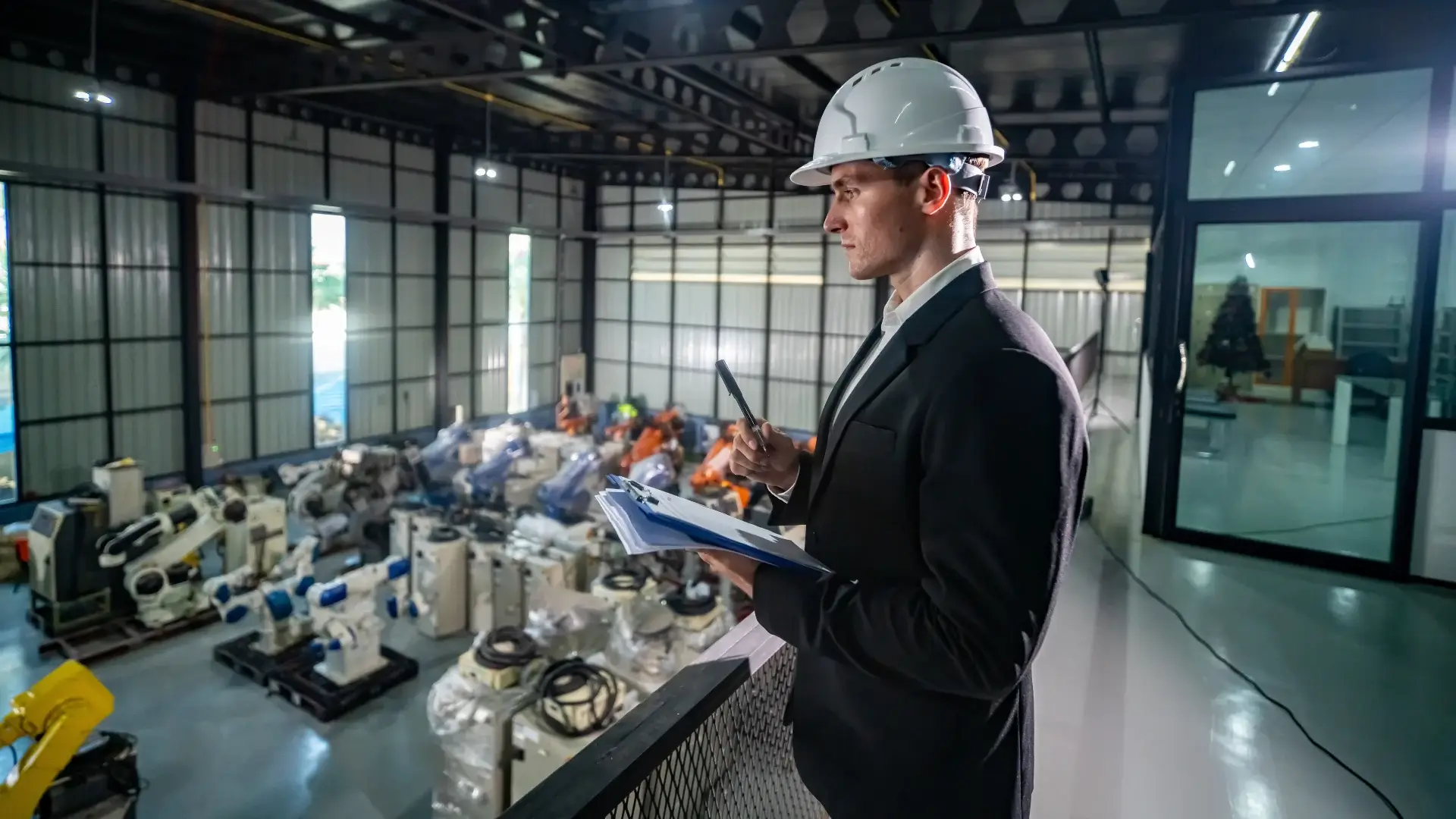
The specialists it deploys bring the domain depth to move quickly and contribute from day one. For packaging teams, this is not a staffing concept. It is a delivery model.
They come from years of applied packaging experience. Flexible workforce solutions from generalist firms offer availability. Packfora offers relevance.
77% of businesses globally report difficulty finding the skilled talent they need. In packaging, that figure is not a survey statistic, it is a daily operational reality. A senior packaging engineer capable of running DFM analysis and managing a line trial is not findable on a job board in a fortnight.
A procurement specialist who understands Should Cost modelling and can step into a live supplier negotiation needs months to find through a traditional hire cycle. Talent augmentation services exist precisely for this gap, and Packfora's network of pre-vetted packaging specialists is built to close it fast.
Packaging Specialists, Not Just Available Professionals
There is a version of flexible staffing where you get a person with the right job title. And there is a version where you get someone who can walk into a design to value workshop on day one, contribute to a material cost model, and challenge a supplier quote on its Should Cost basis. The gap between those two versions is exactly what makes packaging talent solutions a specialist category, not a variation of generalist staffing.
A packaging engineer deployed through Packfora brings applied understanding of DFM and DFA methodologies, material science fundamentals, ISTA testing protocols, and structural design tools. A packaging procurement talent specialist understands spec-to-source alignment, supplier benchmarking, and contract lifecycle governance.
An artwork operations specialist knows pharma labelling compliance, version control workflows, and how an unmanaged artwork change becomes a regulatory event. These are not credentials you can verify through a standard screen. They are capabilities that become visible the moment someone is in the room.
Packfora deploys across three capability pillars: Capacity, extending bandwidth on active programmes; Capability, structured skill depth in packaging innovation and engineering, procurement, sustainability, or specification management; and Cross-functional Flexibility, specialists who can operate across sites, geographies, and project phases. Beyond resource placement, Packfora can also deploy talent against a defined outcome, a specification audit, a DtV project delivery, a procurement review, taking accountability for the deliverable, not just the desk.
Deploy the Right Model for the Right Workstream
Most flexible staffing conversations start with 'how many people' and 'for how long'. The better question is 'which model fits this work'. Packfora operates across three deployment structures, and the choice between them is not arbitrary, it follows the nature of the workstream.
Onshore deployment places specialists at the client's location, in-house, on-site, working within the team. This is the right model for roles that require physical presence: packaging engineering line trials, plant-based quality audits, hands-on procurement negotiation support, or in-person innovation workshops where being in the room matters. Onshore staffing solutions also suit senior-level engagements where client relationship management is part of the role.
Offshore deployment manages defined workstreams virtually from Packfora's team, efficiently, without the overhead of physical presence where it is not needed. Specification documentation, artwork review and version control, data migration, project coordination, and reporting are examples of workstreams that execute at full quality and speed in an offshore staffing services model. Cost efficiency is real; so is the ability to maintain pace across time zones.
Hybrid combines both. For multi-phase projects, where physical prototyping, line trials, or supplier visits are needed alongside documentation, data management, and reporting, a hybrid staffing model provides continuous coverage without requiring permanent on-site resources throughout. Packfora advises on which model fits the workstream. That consultation is part of the service, not a preliminary to it.
From Short-Term Contracts to Managed Delivery, Choose the Model That Fits
Alongside the deployment location question, there is the engagement structure question. Contract staffing solutions place individual specialists on a defined contract basis, from a few weeks to multi-year programmes. This works well for project sprints, parental leave cover, peak NPD cycles, and team expansion without permanent commitment. The client manages the resource; Packfora provides the specialist.
Project-based delivery is different in a critical way: Packfora deploys a team or individual against a defined scope and outcome. A packaging procurement review. A specification rationalisation exercise. An end-to-end artwork operations workflow design. The client agrees the output; Packfora is accountable for delivering it. The internal team manages results, not timesheets.
The managed service model goes further still, Packfora takes ownership of a defined workstream as a service function, with accountability for quality, throughput, and delivery. Specification management as an outsourced governance function. Artwork operations as a managed compliance and production service.
These are models that generalist staffing firms cannot offer, and that enterprise buyers are increasingly asking for. The scalable workforce solutions dimension runs through all three: Talent Flex can scale up during high-intensity periods and scale back without the friction of managing permanent headcount through quiet ones. That flexibility also connects to supply chain automation planning, a resilient talent model and a resilient supply chain are the same risk management decision.
Why Talent Flex Delivers What Traditional Hiring Cannot
A traditional hire cycle for a senior packaging engineer or procurement specialist runs 10-16 weeks from brief to start date. In that time, a DtV project has stalled. A specification audit has been deprioritised.
A supplier negotiation that needed a specialist in the room went ahead without one. The timeline is not a minor inconvenience, it is a commercial constraint that shows up in delayed launches, missed savings, and work that sits in queues waiting for resource that is still being recruited.
Packfora's pre-vetted specialist network changes that equation. Because packaging consulting talent is assessed against packaging domain standards before they are needed, not after a brief lands, the time from requirement to deployment compresses from months to days.
The right person is identified, briefed, and placed because the shortlist already exists. That is what deploy consultants quickly actually means in practice, not just as a marketing claim.
The commercial comparison is straightforward. A permanent hire carries salary, benefits, onboarding time, and the full cost of a mis-hire if the role or the person turns out to be the wrong fit. A Talent Flex engagement carries none of those fixed costs.
The client pays for output, hours, a deliverable, or a managed workstream, for exactly as long as it is needed. The case studies demonstrate this in practice: the QSR Packaging Ops engagement and the End-to-End Enablement programme both show what specialist talent, deployed through the right model, actually delivers.
FAQs
What is a flexible staffing model?
A flexible staffing model covers the spectrum from temporary contract placements through project-based delivery to fully managed service arrangements.
Rather than maintaining fixed headcount through peaks and troughs in resource demand, flexible staffing allows organisations to scale teams up when programmes are active and scale back when they are not, paying for output and specialist time, not permanent overhead.
How does onshore vs offshore talent deployment work?
Onshore deployment places specialists at the client's location, suited for site-based engineering, physical audits, and client-facing engagements requiring physical presence.
Offshore deployment manages defined workstreams virtually, suited for specification documentation, artwork review, data management, and project coordination that execute at full quality remotely.
Hybrid combines both for multi-phase programmes. Packfora advises on which model fits each specific workstream rather than defaulting to a single approach.
Why is packaging talent hard to hire through traditional channels?
Specialist packaging roles, packaging engineers with DFM expertise, procurement specialists with Should Cost knowledge, artwork managers with pharma compliance experience, require domain knowledge that generalist recruiters cannot assess.
The qualified candidate pool is narrow, interview cycles typically run 10-16 weeks, and candidates who appear suitable on paper often lack the applied packaging understanding needed for complex programmes. Packfora's pre-vetted specialist network bypasses this pipeline entirely.
What is a managed service staffing model?
A managed service staffing model is one where a provider takes ownership of a defined workstream or deliverable, not just a desk. Rather than placing a resource for the client to manage, Packfora takes accountability for the output: a specification management function, an artwork operations workflow, or a procurement execution programme. The client manages the outcome and the commercial relationship; Packfora manages the delivery and quality.
Which industries benefit most from flexible packaging talent?
Any brand managing complex packaging programmes with variable resource demand benefits from flexible talent augmentation. FMCG and Personal Care brands gain most from NPD sprint coverage and format innovation specialists.
Pharma and Healthcare operations need regulatory-literate artwork and validation engineers. Foods and Beverages brands benefit from sustainability and multi-market labelling expertise. Consumer Goods and QSR operations use Talent Flex for multi-site specification management and supply chain packaging coordination.