
Packaging Industry Outlook 2026: Innovation, Sustainability & Consumer Experience
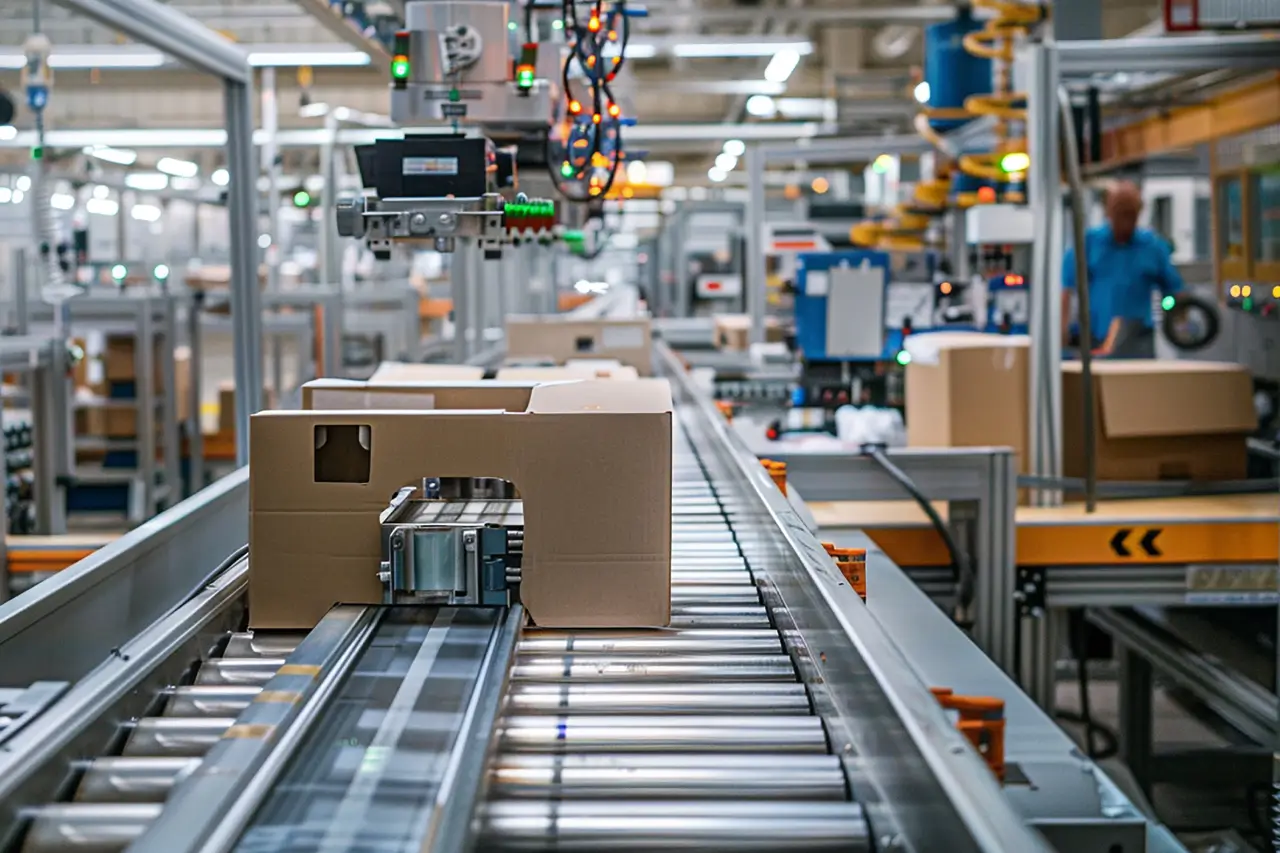
The global packaging industry is entering a defining phase where sustainability, consumer experience, and digital intelligence are no longer separate priorities, they are converging into a single strategic mandate. Insights from recent global industry forums and packaging innovation showcases indicate that brands are shifting from incremental improvements toward structural transformation in how packaging is designed, sourced, and experienced.
For packaging leaders across FMCG, luxury, healthcare, and consumer goods sectors, 2026 will likely be shaped by five interconnected forces: sustainable material innovation, premiumisation through design, circular economy adoption, AI-enabled decision making, and accelerated speed-to-market expectations.
Sustainability Is Now a Premium Signal, Not a Compromise
One of the clearest industry shifts is the repositioning of sustainability from a compliance requirement to a brand value driver. Materials like fibre-based packaging, recyclable paper formats, and hybrid sustainable substrates are increasingly being used in premium segments without compromising aesthetics or functionality.
This evolution is particularly visible in luxury, beauty, and high-end consumer goods categories where sustainability credentials now enhance perceived brand value rather than dilute it.
Brands that embed sustainability early in design strategy, rather than retrofitting it later, are seeing measurable advantages in cost optimisation, regulatory preparedness, and consumer trust. This is where structured sustainability consulting and engineering capabilities become critical, particularly for companies scaling globally.
Plastic Is Being Reinvented, Not Eliminated
Despite ongoing regulatory pressures, plastics remain indispensable in many packaging applications. However, the industry is clearly moving toward smarter plastic usage through:
- Lightweighting initiatives
- Higher recycled content integration
- Bio-based polymer adoption
- Improved recyclability infrastructure
Rather than abandoning plastic, forward-looking companies are redesigning material portfolios to balance performance, sustainability compliance, and cost efficiency.
Procurement and packaging engineering teams must increasingly collaborate to evaluate total lifecycle impact rather than material cost alone, a shift that is redefining packaging sourcing strategies.
Premium Packaging Is Becoming More Experiential
Luxury and high-value consumer brands are doubling down on packaging as a critical experience touchpoint. Innovations in glass finishes, tactile coatings, and structural design are being used to differentiate products on crowded retail shelves and digital platforms alike.
This trend reflects a broader shift: packaging is no longer just protection or branding, it is becoming a consumer engagement medium.
For brands operating in competitive categories, packaging innovation must now deliver:
- Shelf differentiation
- Sustainability alignment
- Supply chain resilience
- Cost optimisation
Achieving all four simultaneously requires integrated design, engineering, and procurement expertise.
AI and Data Are Reshaping Packaging Decisions
Perhaps the most significant long-term shift is the integration of AI, analytics, and predictive modelling into packaging workflows.
Packaging leaders are increasingly using digital tools to:
- Predict material performance
- Optimise packaging cost structures
- Analyse consumer experience preferences
- Accelerate product launch timelines
- Improve supply chain visibility
AI-enabled packaging design and analytics-driven procurement are rapidly becoming competitive differentiators rather than experimental initiatives.
Companies investing in digital packaging intelligence today are likely to gain measurable advantages in cost control, innovation speed, and sustainability compliance over the next 3-5 years.
Circular Economy Models Are Moving from Vision to Execution
Circular packaging strategies, including refill models, recyclable mono-materials, and reusable packaging formats, are gaining commercial traction across multiple industries.
However, successful implementation depends on more than material selection. It requires:
- Supply chain alignment
- Consumer usability considerations
- Regulatory compliance readiness
- Procurement strategy optimisation
Brands that treat circularity as a system-wide transformation rather than a material swap are seeing faster adoption and stronger ROI.
What This Means for Packaging Leaders in 2026
For procurement heads, innovation leaders, and CXOs, the packaging landscape is becoming simultaneously more complex and more strategic. Several implications stand out:
- Speed-to-market pressure will intensify - Packaging development cycles must accelerate without compromising compliance or quality.
- Sustainability will influence procurement decisions earlier - Material sourcing strategies must integrate lifecycle impact considerations.
- Digital capabilities will separate leaders from laggards - AI-driven design, analytics, and automation will become baseline expectations.
- Packaging will play a larger role in brand experience - Premiumisation and sustainability messaging will increasingly converge.
- Cross-functional collaboration will be essential - Packaging engineering, procurement, marketing, and sustainability teams must operate more cohesively.
Organisations that recognise packaging as a strategic growth lever, rather than a cost centre, will be better positioned to navigate regulatory shifts, consumer expectations, and competitive pressures.
Looking Ahead: Packaging as a Strategic Differentiator
The packaging industry's next phase will not be defined by isolated innovations but by integration, integrating sustainability with experience, procurement with design, and digital intelligence with operational execution.
Companies that build these capabilities proactively will not only meet regulatory requirements but also unlock cost efficiencies, brand differentiation, and long-term resilience.
For organisations navigating this transition, strategic expertise across packaging innovation, sustainability consulting, procurement intelligence, and supply chain automation is becoming increasingly critical.
Speak to a Packaging Expert
If your organisation is evaluating sustainable packaging strategies, accelerating innovation pipelines, or optimising packaging procurement decisions, Packfora's domain expertise can help translate industry shifts into measurable business outcomes.


