
Digital Transformation in Packaging: Why Mold Management Is the Silent Competitive Advantage
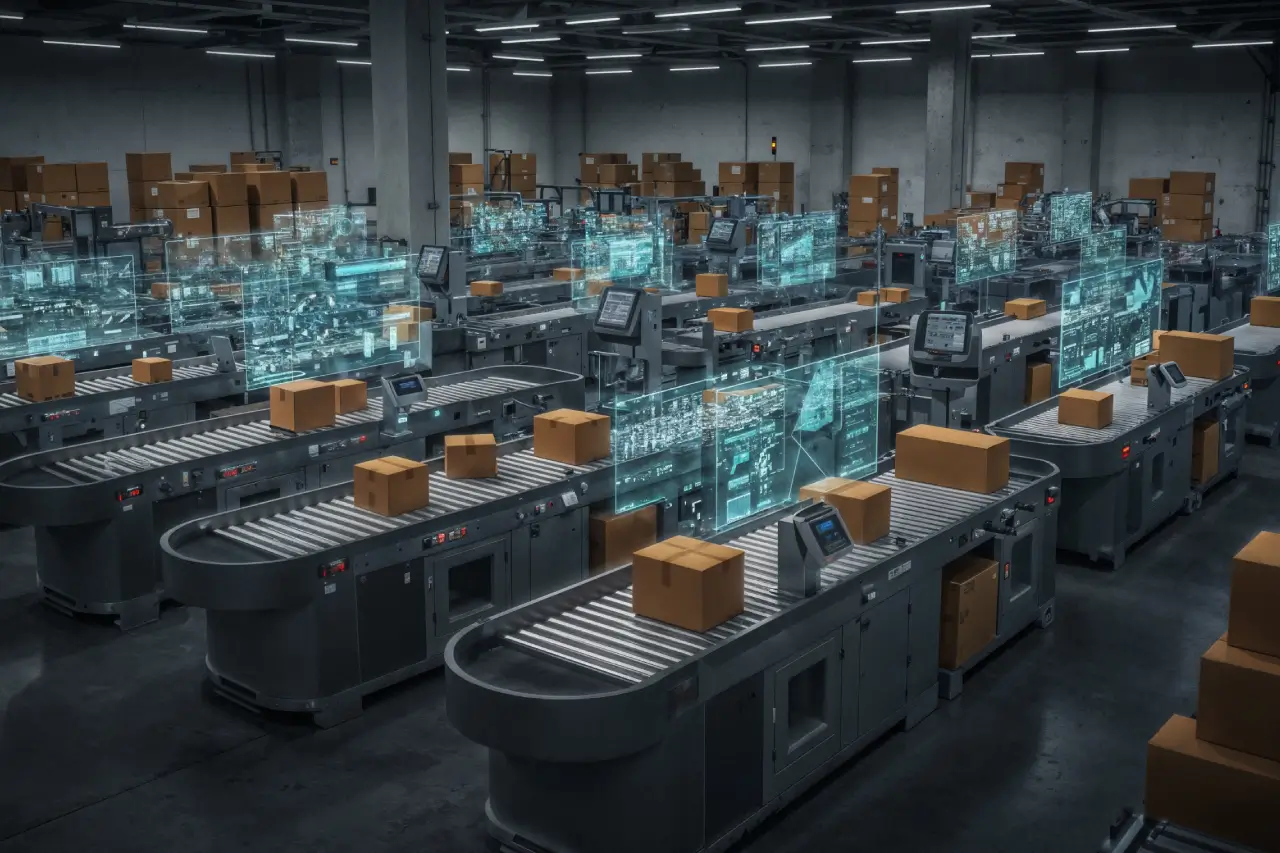
In 2026, packaging leaders are under pressure from every direction, faster SKU launches, rising sustainability expectations, cost volatility, and increasing operational complexity across global plants.
Yet while organisations invest heavily in smart manufacturing systems, advanced procurement tools, and digital dashboards, one critical asset often remains under-digitised:
Mold lifecycle management.
Molds are not just production tools. They are capital-intensive assets that influence quality, speed to market, operational stability, and packaging cost efficiency. When managed reactively, they create invisible bottlenecks. When managed digitally, they become a strategic lever.
For global packaging teams, digital mold lifecycle management is emerging as a silent competitive advantage.
The Hidden Cost of Mold Mismanagement
In most packaging operations, mold data is fragmented across plants, suppliers, spreadsheets, and legacy systems. Ownership is often unclear. Maintenance schedules are reactive. Performance data is rarely consolidated.
The result?
- Delayed packaging trials
- Increased downtime risk
- Redundant tooling investments
- Lack of visibility across global operations
- Poor coordination between procurement, operations, and innovation teams
Even a few hours of unplanned downtime in high-volume packaging lines can translate into substantial operational losses. More importantly, tooling inefficiencies slow down innovation cycles, a critical disadvantage in today's accelerated product development environment.
From a procurement lens, this often leads to duplicate capex approvals, uncontrolled tooling costs, and limited supplier accountability, directly impacting packaging cost optimisation and governance.
Molds represent a significant capital investment. Without lifecycle visibility, organisations risk treating strategic assets as operational afterthoughts.
From Tool Tracking to Digital Lifecycle Intelligence
The shift underway is not about better spreadsheets. It is about moving from basic tool tracking to digital mold lifecycle management..
This includes:
- A centralised digital repository of molds across facilities
- Defined lifecycle stages (development, validation, production, maintenance, retirement)
- Cross-functional visibility across procurement, operations, and R&D
- Preventive and predictive maintenance triggers
- Audit trails and accountability tracking
When mold data becomes structured, accessible, and analytics-enabled, it transforms from static documentation into operational intelligence.
This aligns directly with broader digital supply chain automation initiatives, where packaging assets are integrated into enterprise systems rather than managed in silos.
Mold lifecycle intelligence is not a standalone initiative. It is a foundational layer within a modern packaging automation ecosystem.
Quantifying the Business Impact
The business case for digital mold management extends beyond operational hygiene. It delivers measurable impact across functions.
For Procurement Leaders
- Better tooling capex visibility
- Supplier accountability tracking
- Reduced redundant mold investments
- Structured lifecycle cost management
Digital lifecycle tracking strengthens strategic packaging procurement decisions and reduces hidden tooling inefficiencies.
For Operations & Supply Chain Heads
- Improved equipment uptime
- Reduced trial delays
- Faster changeovers
- Lower reactive maintenance incidents
By embedding molds into broader automation systems, packaging leaders enhance operational stability and asset utilisation.
For Packaging Innovation & R&D Teams
- Faster validation cycles
- Reduced trial iterations
- Better historical data access
- Accelerated time to market
Innovation cycles increasingly depend on tooling efficiency. A mold delay today can mean a missed market window tomorrow.
See how engineering optimisation supports faster development via packaging innovation & engineering
When lifecycle intelligence is embedded early, innovation risk declines significantly.
Where MaxMold Fits: Enabling Intelligent Mold Lifecycle Management
Digital mold lifecycle platforms, such as Packfora's MaxMold framework, help organisations transition from reactive tooling oversight to predictive asset intelligence.
Rather than managing molds as static physical assets, structured frameworks introduce:
- Real-time lifecycle dashboards
- Multi-stakeholder collaboration models
- Maintenance intelligence layers
- Capex and performance analytics
- Global standardisation across plants
The objective is not simply visibility. It is decision-grade intelligence, enabling packaging leaders to align tooling strategy with automation, procurement, and sustainability goals.
This is especially relevant as organisations scale globally and require consistent governance across facilities.
Why Mold Management Matters in the 2026 Packaging Landscape
The relevance of mold lifecycle management increases when viewed against broader industry shifts:
1. Sustainability & Circularity
Tooling inefficiencies contribute to material waste, failed trials, and energy overuse. Lifecycle visibility reduces scrap rates and improves manufacturing precision, directly supporting sustainable packaging strategies.
Understand how operational optimisation connects with sustainable packaging strategy
2. Faster SKU Proliferation
With brands launching more variants than ever, packaging complexity has multiplied. Mold governance ensures agility does not compromise efficiency.
3. AI-Enabled Manufacturing
Artificial intelligence and predictive analytics rely on structured asset data. Without digitised mold records, predictive models remain incomplete.
4. Global Operational Governance
Multi-plant packaging ecosystems demand standardisation. Mold lifecycle platforms provide a unified control layer.
In short: mold intelligence is becoming infrastructure for smart packaging operations.
What Is Mold Lifecycle Management?
Mold lifecycle management refers to the structured tracking, monitoring, and optimisation of molds across their entire lifecycle, from design and validation to production, maintenance, and retirement.
When digitised, it enables organisations to improve asset utilisation, reduce downtime, optimise tooling investments, and align packaging operations with broader automation and procurement strategies.
The Silent Competitive Advantage
Molds may not appear on executive dashboards as often as procurement metrics or automation KPIs, but they influence both.
In an industry defined by speed, sustainability, and cost discipline, digital mold lifecycle management offers a high-impact, often underleveraged advantage.
Packaging leaders that treat molds as strategic digital assets, not operational afterthoughts, position themselves for:
- Greater operational resilience
- Stronger cost governance
- Faster innovation cycles
- Enhanced sustainability performance
- Better alignment with enterprise automation systems
As digital transformation in packaging accelerates, the question is no longer whether to digitise tooling intelligence, but how quickly organisations can embed it within their broader automation roadmap.
Ready to Strengthen Your Packaging Operations?
If your organisation is evaluating digital transformation initiatives across packaging, supply chain, or procurement, mold lifecycle governance is a strategic starting point.
Speak to a Packaging Expert and explore how intelligent mold management can support operational efficiency, cost optimisation, and automation maturity.
FAQs: Digital Mold Lifecycle Management in Packaging
1. What is mold lifecycle management in packaging?
Mold lifecycle management refers to tracking and optimising molds throughout their lifecycle - from design and validation to production, maintenance, and retirement. Digital lifecycle systems help improve tooling visibility, reduce downtime risk, optimise costs, and accelerate packaging innovation cycles.
2. How does digital mold management improve supply chain efficiency?
Digitised mold data enables predictive maintenance, faster changeovers, and better coordination between procurement, operations, and engineering teams. This reduces production delays, improves asset utilisation, and strengthens overall supply chain automation.
3. Why is mold management important for packaging cost optimisation?
Molds represent significant capital investments. Without lifecycle tracking, companies often face redundant tooling purchases, inefficient maintenance, and supplier performance gaps. Digital management improves cost visibility, supports should-cost analysis, and enhances procurement decision-making.
4. How does mold lifecycle intelligence support sustainability goals?
Efficient tooling reduces material waste, failed production trials, and energy consumption. By improving manufacturing precision and lifecycle governance, digital mold management contributes to more sustainable packaging operations.
5. Is mold lifecycle management relevant for global packaging organisations?
Yes. Multi-plant packaging operations require standardised tooling governance, visibility across suppliers, and coordinated lifecycle tracking. Digital mold management platforms enable global consistency, better risk control, and scalable packaging operations.


